 Cape Town City Guide
District Six Museum
The District Six Museum at 25A Buitenkant Street keeps the memory of a Cape Town neighbourhood that the apartheid state declared white in 1966 and then bulldozed, scattering around 60,000 people to the Cape Flats. It is small, dense and run by the community it remembers — some of the guides lived the story they tell. This page covers the hours, the Quicket booking rule, the ex-resident tours and what stands inside; the rest of the city's plan starts from Cape Town attractions and its things to do list.
Quick answer Hours, the booking rule, the tour worth paying extra for
The District Six Museum opens Monday to Saturday 09:00–16:00 and is closed on Sundays. Bookings are essential and run through Quicket — the museum's own pages print no price figure, so the number you see in the Quicket widget is the number there is.
Key takeaways
- Book the ex-resident guided tour if one is available for your slot: a former resident walking you through their own vanished streets is the museum at full strength. It costs extra — the museum states the amount only on arrangement
- Pair the visit with the Castle of Good Hope, five minutes down Buitenkant Street, for a single morning covering the city's oldest building and its hardest story
- The half-day township tour extends the same history to where the removed families were sent — the Cape Flats side of the District Six story
Key facts
Opening hours
| Monday–Saturday | 09:00–16:00 |
|---|
Closed Sundays (hours are listed Monday–Saturday only)
Admission
- Adult
- Not stated on the official pages — prices load in the Quicket booking widget
- Reduced
- Not stated
- Free
- None stated; the ex-resident guided tour carries an additional cost, amount not published
Planning it
- Time needed
- Not stated by the museum; our routing: 60–90 minutes self-guided, longer with an ex-resident tour
- Book ahead
- Recommended — a few days
- Address
- 25A Buitenkant Street, Cape Town 8001
How entry is sold, checked on districtsix.co.za in Q3 2026. The official row leads because it is the only way in; the tour rows put the museum's story into a wider city context rather than replacing the visit.
Are you paying for the museum, or for the person telling you about it? Here the guide is a former resident, and that is the whole difference.
| Option | Price | Includes | Cancel | Book |
|---|---|---|---|---|
| Museum entry via QuicketAnyone going independently — book through Quicket, because walk-ins are not guaranteed | Not stated — the figure loads in the Quicket widget | Self-guided visit; booking essential | Per Quicket's terms at booking | Official site |
| Ex-resident guided tourThe visit worth making: a former District Six resident guiding it, at a price the museum does not publish | Additional cost, amount not stated | A former District Six resident as your guide; pre-booked tours guaranteed | Arrange with the museum, +27 21 466 7200 | Official site |
| Half-day township tour, 3–4 hSeeing District Six inside the wider township context, transport included | $55.45 | Vehicle, driver-guide, entrance fees and insurance | Free up to 24 hours before | Check Availability |
| Art, culture & history walk, 2 hThe city-centre walk that passes it; the museum entry is not in the price | $37.38 | Guided city-centre walk; entry fees excluded | Free up to 24 hours before | Check Availability |
This is the one headline sight in Cape Town where we cannot print an entry price: the museum's own pages name no figure, so treat whatever the Quicket widget shows for your date as the official rate. Nothing on the museum's pages suggests it is expensive — budget in line with the city's other small museums and confirm at booking.
Tours that carry the story further
The museum is best visited on its own terms, booked direct. These cards extend the same history — the townships the removals created, and the city centre the district bordered. Prices are the operators' own figures.
 from $55.45
Half-Day Tour Through Cape Town's Townships
3-4 hour township visit with pickup, entrance fees and insurance in the price — rare on this page. Some venues close at weekends, and the tour needs a minimum of two guests. Bring small change for photo donations and crafts.
Check Availability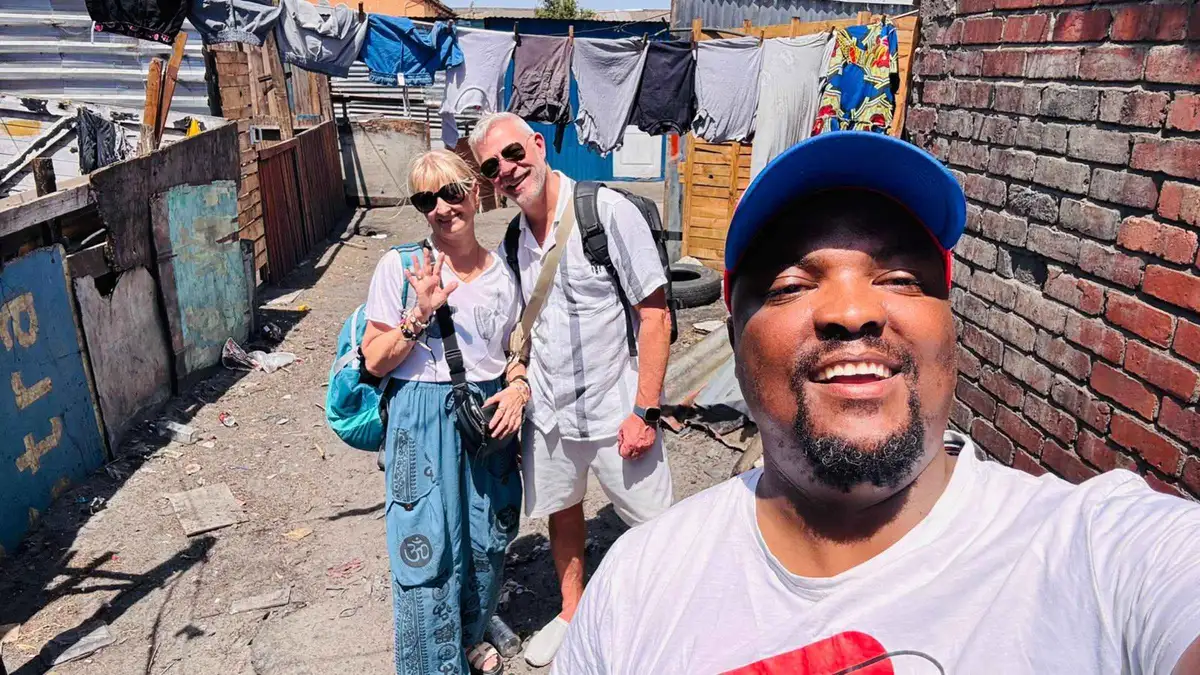 from $31.15
Cape Town: Nathi Langa Township Walking Tour
2.5-hour walk through Langa, Cape Town's oldest township, led by a resident guide in English or Xhosa — the cheapest and most direct township option, but you get yourself there and back.
Check Availability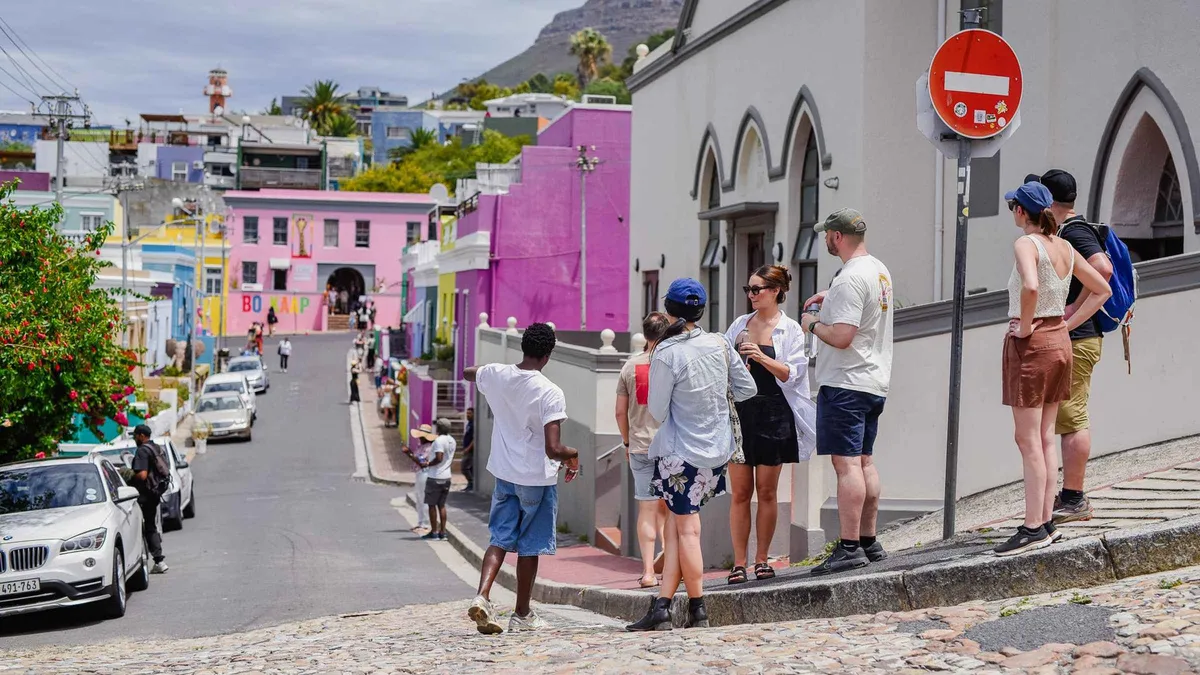 from $37.38
Cape Town: Art, Culture & History Walking Tour
Street art, history and Bo-Kaap in a 2-hour walk from the Bo-Kaap Deli — slightly cheaper than the rival walk but English-only and no snack. Wear comfortable shoes and bring water.
Check AvailabilityPrices, ratings and details are the platform's own. Dollar figures are the listed prices. The platform bills in your account's currency.
What happened in District Six
The museum only makes sense against the events it holds, so here is the story told straight, without softening: a mixed, working-class neighbourhood of the inner city was declared a white area and destroyed, house by house, over sixteen years.
The district before
District Six — the Sixth Municipal District of Cape Town, laid out in 1867 — climbed the lower slopes between the city centre and Devil's Peak. By the mid-twentieth century it was home to tens of thousands of people: predominantly coloured families rooted there for generations, alongside Black, Indian, Chinese and white neighbours, freed slaves' descendants, immigrants, artisans, jazz musicians and dockworkers. It was crowded and poor in parts, and it was also intensely alive — the neighbourhood that gave Cape Town much of its music, its Carnival tradition and its sense of humour.
Its residents remember the streets by name, which is why the museum's floor is a map.
11 February 1966 and the removals
On 11 February 1966 the government declared District Six a white group area under the Group Areas Act. Over the following years about 60,000 residents were removed by force — families loaded onto trucks and relocated to the sand flats kilometres outside the city, in townships like Mitchells Plain and Manenberg, separated from work, schools, churches, mosques and each other. The houses were flattened block by block; by 1982 the district was mostly rubble.
Apart from the churches and mosques, which the demolition crews left standing, almost nothing of the built neighbourhood survives. Much of the land remains empty to this day — an absence you can see from the ridge above the city — because returning families and restitution have moved slowly, and the community resisted redevelopment on ground it regards as its own.
Why the museum exists
The museum opened in December 1994 — the year of the first democratic election — inside the former Central Methodist Mission church on Buitenkant Street, a building that had stood with the district through the removals. It began as a space for former residents to gather their memories, photographs and salvaged fragments, and it has kept that character: it calls itself a museum of memory, run with the community rather than about it. The land claims of former residents continue, and the museum is part of that process, not a neutral observer of it — which is precisely what makes standing in it different from reading a history chapter.
The return, still unfinished
Restitution began with the land claims process after 1994, and the first returning residents received keys to new homes on the district's ground in 2004 — Nelson Mandela handed over the first of them. Two decades on, only a fraction of the claimed plots have been rebuilt and most of the slope remains open ground, a fact the museum addresses directly rather than politely skirting. Visitors sometimes ask why the city has not simply developed such central land; the museum's answer is the whole point of the visit — the land belongs, morally and legally, to a community still waiting to come home, and building anything else on it would repeat the original taking in softer language.
What you'll see inside
The museum occupies the old church hall over two levels, and its power is in objects that were ordinary until the neighbourhood around them was erased.
The floor map and the street signs
The centrepiece is the painted map of District Six covering the ground floor, on which former residents have written their names over the plots where their houses stood. Above it hangs the column of original street signs — Hanover Street, Horstley Street and the rest — saved from the demolition by the crew ordered to dump them in Table Bay, who quietly kept them instead. Between map and signs, you are standing in the district's geography with the district gone.
Rooms, voices and fragments
Around the map, reconstructed interiors — a barber's, a family room — hold photographs, documents and belongings donated by residents, with recorded voices and written memory cloths adding first-person testimony. Displays follow the threads outward: the sports clubs, the Carnival, the Hanover Street shops, the removals themselves and the trucks. It is a dense, close museum; an hour passes quickly, and ninety minutes is a fairer allowance if you read as you go.
The ex-resident tours
The museum's guided tours are led, on arrangement, by former District Six residents. The official wording is precise: special arrangements need to be made for the guide to be a former resident, and an additional cost is charged — no amount is published. Pre-booked tours are guaranteed; walk-in requests depend on availability on the day.
If your dates allow it, arrange one ahead by phone (+27 21 466 7200) or email ([email protected]): hearing Hanover Street described by someone who shopped on it is the difference between a good museum and a visit you will still be describing years later.
Hours, booking and the Sunday closure
The museum opens Monday to Saturday, 09:00 to 16:00, and is closed on Sundays — its hours are listed for six days only, and the Sunday closure is the single most common planning mistake, because the neighbouring Castle opens seven days. The hours come from the museum's own pages.
Bookings are essential and run through Quicket.co.za, the South African ticketing platform the museum links from its site. The museum's pages print no entry price — the figures load inside the Quicket widget when you pick a date — and the ex-resident tour price is likewise stated only as an additional cost. We do not guess numbers this site cannot source, so confirm both in the widget or by phone.
Give the visit the morning rather than the last hour: at 15:00 the rooms are still open but an hour is tight for the map, the signs and the testimony, and the small shop and archive desk close with the museum at 16:00.
- Monday–Saturday 09:00–16:00; closed Sundays
- Book via Quicket (linked from districtsix.co.za); prices display in the widget
- Ex-resident tour: pre-book by phone +27 21 466 7200 or [email protected]
- Address: 25A Buitenkant Street — 5 minutes on foot from the Castle (our estimate)
Getting there
25A Buitenkant Street sits on the eastern edge of the city centre, where the City Bowl grid meets the empty slope that was the district itself. On foot it is about 5 minutes from the Castle of Good Hope, 12 from Greenmarket Square and 15 from the Company's Garden (our estimates); ride-hail drops on Buitenkant Street work without fuss, and the Grand Parade bus and rail termini are under ten minutes away. The getting around Cape Town page covers the MyCiTi routes into the centre.
The surrounding blocks are ordinary working city centre with a busy fire station for a neighbour. Usual City Bowl street habits apply; the safety page has the measured version. If you want the district itself and not only its museum, walk a block uphill after your visit and look east across the open ground toward Devil's Peak — the emptiness between the surviving churches is the exhibit no building could hold. Because the emptiness gives up its story only with explanation, choosing among Cape Town guided tours is the easiest way to have someone walk you through what stood here.
District Six Museum map: the door and the quarter around it
The museum on Buitenkant Street and the history circuit it anchors with the Castle and the old city core.
Next stop from the museum
The museum sits at one end of the City Bowl history walk. Walk minutes are our estimates from the map.
Castle of Good Hope
The Castle of Good Hope is the natural pairing — $3.11 (R50) at the gate, open daily, no booking needed.
5 min walkGreenmarket Square
Greenmarket Square and the Company's Garden continue the walk through the old city core, free of charge.
12 min walkBo-Kaap
The Bo-Kaap survived the era District Six did not — its museum and streets complete the city's removals-and-resistance story.
20 min walkDistrict Six Museum questions
Why is the District Six Museum famous?
It preserves the memory of District Six, the inner-city neighbourhood declared white under the Group Areas Act in 1966 and demolished, with around 60,000 residents forcibly removed to the Cape Flats. Its floor map annotated by former residents and the salvaged street signs are among South Africa's best-known museum objects, and former residents themselves guide the pre-arranged tours.
How much is the District Six Museum entrance fee?
The museum's own pages state no figure — entry is booked through Quicket and the price loads in the booking widget. The ex-resident guided tour is officially 'an additional cost', amount not published; arrange it on +27 21 466 7200. This page prints only what the museum states, so the widget's figure for your date is the answer.
What are the District Six Museum's opening hours?
Monday to Saturday 09:00–16:00, closed Sundays — per the official site. Book ahead via Quicket; the booking section covers the details and the Sunday trap.
Is the District Six Museum worth visiting?
Yes — with Robben Island it is one of the two places where Cape Town's apartheid history is told by people who lived it, and it asks only an hour to ninety minutes. Visitors who take the ex-resident tour consistently call it the strongest thing they did in the city.
What is District Six famous for?
Before the removals, for its street life: the mixed community, Hanover Street's shops, the jazz scene and the Cape Town Carnival tradition all had roots there. After 1966, for its destruction — the forced removal of a whole neighbourhood, whose largely still-empty ground above the city remains visible today.
How long do you need at the District Six Museum?
The museum states no visit length; our routing is 60–90 minutes self-guided, and longer if an ex-resident tour has been arranged. It pairs into a half day with the Castle of Good Hope five minutes away.
Can you visit District Six itself, not just the museum?
The district's ground lies a short walk uphill from the museum — mostly open land with the surviving churches and mosques standing in it. There is no site infrastructure; the half-day township tour is the guided way to follow the story to the Cape Flats communities where residents were sent.
Where the museum fits in a Cape Town trip
Slot it into the City Bowl morning: Castle at 09:30, museum at 11:00, lunch near Greenmarket Square, the Company's Garden after — a history circuit entirely on foot, any day but Sunday. Travellers tracing the full arc pair it with Robben Island: the mainland removals in the morning, the island prison on another day's ferry. The 3-day itinerary places both, the things to do list ranks everything else around them, and the whole guide starts from what to do in Cape Town.
District Six on Film: the Map, the Signs, the Voices
Three clips that show the museum's rooms and let former residents do the telling — worth ten minutes before you go, and no substitute for standing on the floor map.
Welcome to the District Six Museum
The museum's own introduction to its spaces and its memory work.
Video: District Six MuseumUncovering Apartheid History: District 6 Museum Tour
A guided visit through the floor map, the street signs and the testimony rooms.
Video: Fit Time TravelersDistrict Six Museum in Cape Town, South Africa
A short overview of the collection and the story it holds.
Video: ViatorVideos load from YouTube only when you press play.
Prices, hours and terms are set by the venue or operator and confirmed at checkout.
We may earn a commission if you book through one of our links, at no extra cost to you. Full affiliate disclosure